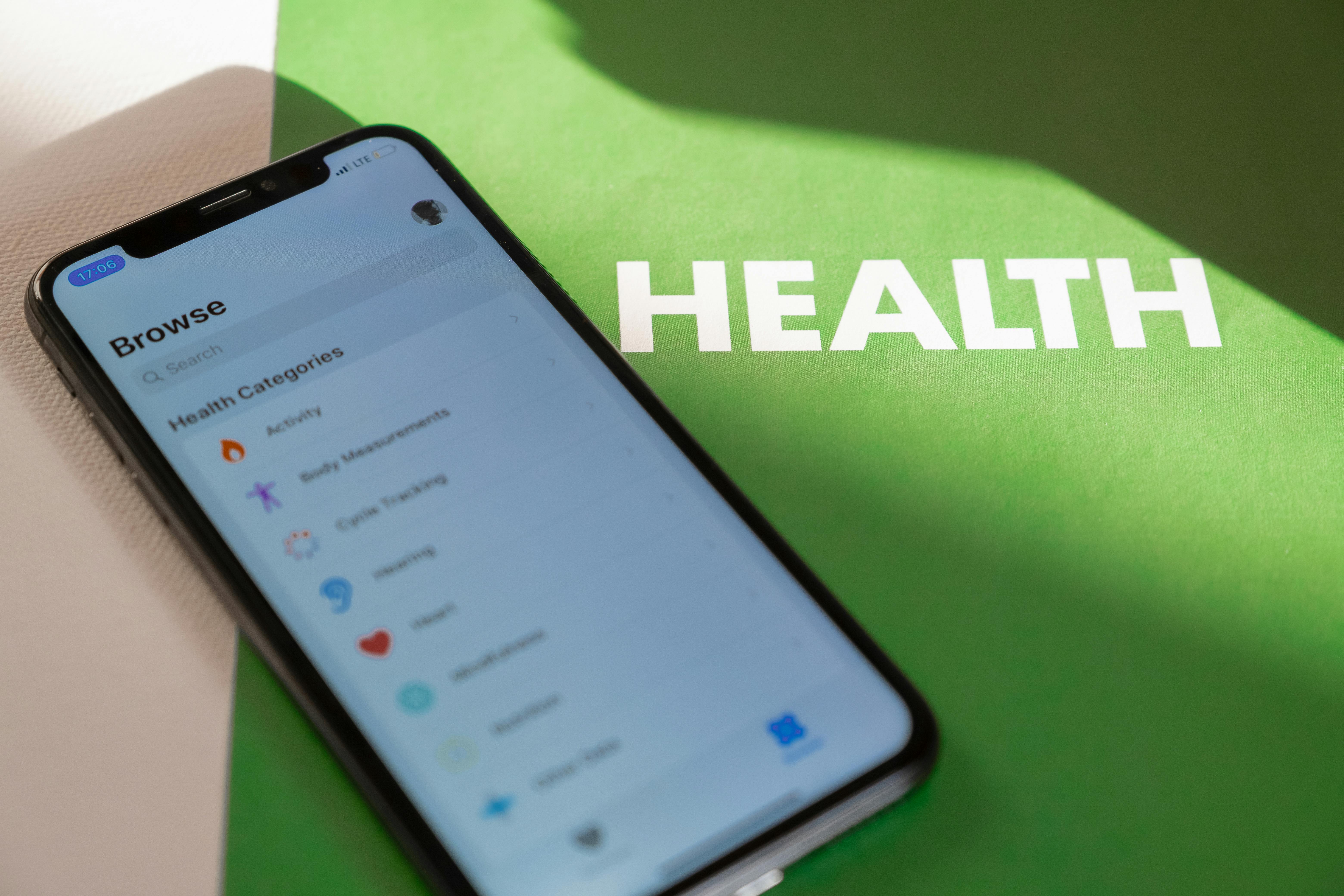
Mobile apps are revolutionizing the healthcare industry, offering innovative solutions to improve patient care, diagnostics, and treatment delivery. As healthcare systems worldwide continue to embrace technology, mobile applications are becoming indispensable tools for healthcare providers, patients, and businesses alike. In the coming years, we can expect significant advancements in healthcare app development driven by emerging technologies such as AI, blockchain, wearable devices, and augmented reality. This article explores the key trends that will shape the future of healthcare app development and how businesses can leverage them.
Increased Focus on Telemedicine and Remote Patient Monitoring
The Rise of Telemedicine and Remote Monitoring Solutions
Telemedicine apps have witnessed explosive growth, especially since the onset of the COVID-19 pandemic. The demand for virtual care continues to rise as patients and healthcare providers seek convenient, efficient ways to deliver and receive healthcare services without physical visits. In the coming years, telemedicine platforms will further integrate remote patient monitoring (RPM) features, enabling healthcare professionals to track patient vitals, manage chronic conditions, and deliver real-time interventions remotely.
RPM apps will increasingly use IoT devices such as glucose monitors, heart rate trackers, and blood pressure cuffs, allowing seamless data transfer to healthcare apps. These apps will enhance patient outcomes by providing continuous monitoring and timely care adjustments, all while reducing the burden on healthcare facilities.
Key Trends to Watch:
– Telemedicine apps incorporating RPM for chronic disease management.
– Integration with IoT devices for real-time health data tracking.
– Virtual consultations becoming a standard mode of care delivery.
Artificial Intelligence and Machine Learning in Healthcare Apps
AI and Machine Learning: Powering Smarter Healthcare Apps
Artificial Intelligence (AI) and Machine Learning (ML) are set to play a transformative role in healthcare app development, enabling apps to offer personalized care, predictive diagnostics, and enhanced patient outcomes.
Personalized Health Recommendations
AI-driven healthcare apps can analyze patient data to provide tailored health recommendations. By using algorithms that process user habits, health records, and environmental factors, these apps can suggest personalized diet plans, exercise regimens, and preventive health measures. Apps like Noom and MyFitnessPal already offer users data-driven advice, but AI will take personalization to the next level by continuously learning from user data to offer increasingly refined suggestions.
AI-Powered Diagnostics and Predictive Analytics
AI-powered diagnostic tools are becoming more sophisticated, helping healthcare providers detect diseases and conditions earlier and more accurately. Apps utilizing machine learning algorithms will help predict health outcomes based on patient data patterns, aiding doctors in decision-making processes. For instance, AI in radiology apps can analyze medical images, flagging abnormalities for further examination. Predictive analytics will also enable healthcare providers to anticipate patient needs, reduce hospital readmissions, and personalize treatment plans based on real-time data.
Key Trends to Watch:
– AI-driven predictive analytics for early disease detection.
– Personalized health management apps that adapt to user data.
– Enhanced diagnostic tools for healthcare professionals using AI.
Data Security and Compliance with Regulations
Ensuring Data Security and Compliance in Healthcare App Development
As healthcare apps collect and process sensitive patient data, ensuring robust security measures and compliance with regulations is paramount. In the future, healthcare apps must prioritize safeguarding personal health information (PHI) while complying with regulations such as HIPAA (Health Insurance Portability and Accountability Act) and GDPR (General Data Protection Regulation).
Importance of HIPAA and GDPR Compliance
Healthcare app developers need to ensure that their apps meet industry standards for data protection, especially in regions where HIPAA and GDPR compliance is mandatory. These regulations set strict guidelines on how healthcare data is stored, processed, and shared, requiring encryption, user consent, and secure data management.
Blockchain for Enhanced Data Security
Blockchain technology offers a promising solution for healthcare data security. By providing decentralized and tamper-proof record-keeping, blockchain can ensure the integrity of medical data while allowing secure, traceable sharing between healthcare providers, insurers, and patients. Blockchain-based healthcare apps will enhance transparency and protect against data breaches by creating immutable records of transactions and health data exchanges.
Key Trends to Watch:
– Adoption of blockchain for secure, decentralized health data storage.
– Increased focus on meeting HIPAA and GDPR requirements in app development.
– Use of encryption and multi-factor authentication for heightened data protection.
The Role of Wearable Technology in Healthcare Apps
Wearable Tech: Integrating Devices for Real-Time Health Monitoring
Wearable technology is becoming increasingly integrated with healthcare apps, enabling continuous health monitoring and promoting proactive patient care. Smartwatches, fitness trackers, and wearable ECG monitors can sync with healthcare apps to track vital signs, physical activity, and sleep patterns in real-time.
As wearable technology continues to evolve, healthcare apps will provide more advanced insights into a user’s health, allowing for early detection of potential health issues. For example, devices like the Apple Watch can already detect irregular heartbeats and notify users of possible atrial fibrillation. Future healthcare apps will go further by integrating more wearable sensors that measure glucose levels, oxygen saturation, and other biomarkers critical for managing chronic conditions.
Key Trends to Watch:
– Wearable devices integrated with apps for continuous monitoring of chronic diseases.
– Enhanced capabilities of wearables, including glucose monitoring and blood pressure tracking.
– Increased use of wearables in preventive healthcare strategies.
The Shift Toward Patient-Centric Apps
Patient Engagement Apps: Putting Patients at the Center of Healthcare
The future of healthcare app development will increasingly focus on creating patient-centric solutions that empower users to take control of their health. Patient engagement apps will allow users to schedule appointments, access medical records, track medications, and communicate with healthcare providers, all from a single platform.
These apps will offer personalized treatment plans, lifestyle recommendations, and follow-up care instructions to keep patients actively involved in their health management. By putting the patient at the center of healthcare services, these apps will improve patient satisfaction, adherence to treatment plans, and overall health outcomes.
Key Trends to Watch:
– Patient engagement apps that offer personalized healthcare experiences.
– Apps facilitating seamless communication between patients and healthcare providers.
– Increased focus on improving patient adherence to treatment through app reminders and notifications.
Blockchain Technology in Healthcare App Development
Leveraging Blockchain for Secure and Transparent Healthcare Transactions
Blockchain technology offers numerous benefits for healthcare app development, especially in terms of data security and transparency. By creating a decentralized ledger for healthcare transactions, blockchain ensures that sensitive patient information is encrypted and cannot be altered without consent. This makes blockchain ideal for handling medical records, insurance claims, and even prescriptions.
Blockchain can also streamline healthcare processes by enabling secure, automated transactions, reducing administrative overhead and fraud in areas like billing and insurance. As blockchain adoption grows, we can expect more healthcare apps to leverage this technology for secure data management and transparent healthcare services.
Key Trends to Watch:
– Increased use of blockchain for securing health records and transactions.
– Smart contracts for automating healthcare processes like insurance claims.
– Transparent, tamper-proof systems for managing medical data.
Augmented Reality (AR) and Virtual Reality (VR) for Medical Training and Therapy
AR/VR: Revolutionizing Medical Training and Therapeutic Care
Augmented Reality (AR) and Virtual Reality (VR) are set to revolutionize both medical training and patient care. AR and VR can provide immersive simulations for medical students and professionals to practice surgeries and procedures in a risk-free environment. Apps that use these technologies allow users to visualize complex anatomy, rehearse surgeries, and even diagnose patients through virtual simulations.
Beyond training, AR/VR can also be used in therapeutic settings, offering innovative treatments for conditions such as PTSD, anxiety, and chronic pain. For example, VR therapy apps can create calming environments to reduce stress or simulate exposure therapy for mental health treatments.
Key Trends to Watch:
– AR and VR apps for medical education and surgical training.
– Therapeutic VR apps for managing mental health and chronic pain.
– Use of AR for enhancing diagnostic and surgical precision.
Emerging Trend: Health Apps for Mental Wellness
Growth of Mental Health Apps: Supporting Emotional and Psychological Well-Being
Mental health apps are rapidly gaining popularity as more people seek accessible tools for emotional and psychological well-being. These apps offer a range of features, from meditation and mindfulness exercises to cognitive behavioral therapy (CBT) and virtual counseling.
In the coming years, mental health apps will evolve to provide more personalized care using AI to tailor therapy plans to individual users. With increasing demand for mental health support, app developers will continue to innovate, offering users easier access to mental health professionals, as well as self-guided wellness practices.
Key Trends to Watch:
– AI-powered mental health apps offering personalized therapy plans.
– Virtual counseling apps connecting users with licensed therapists.
– Continued growth of mindfulness and meditation apps to support mental well-being.
Conclusion
Preparing for the Future of Healthcare App Development
Healthcare app development is evolving rapidly, driven by advancements in technology and the growing need for innovative healthcare solutions. From AI-powered diagnostics to blockchain-secured data and wearable tech integration, these trends are shaping the future of healthcare delivery. Developers and healthcare organizations must stay ahead by embracing these trends and adopting new technologies to improve patient outcomes, streamline processes, and enhance data security.
The future of healthcare is digital, and those who innovate today will lead the way in providing better care for patients tomorrow.